
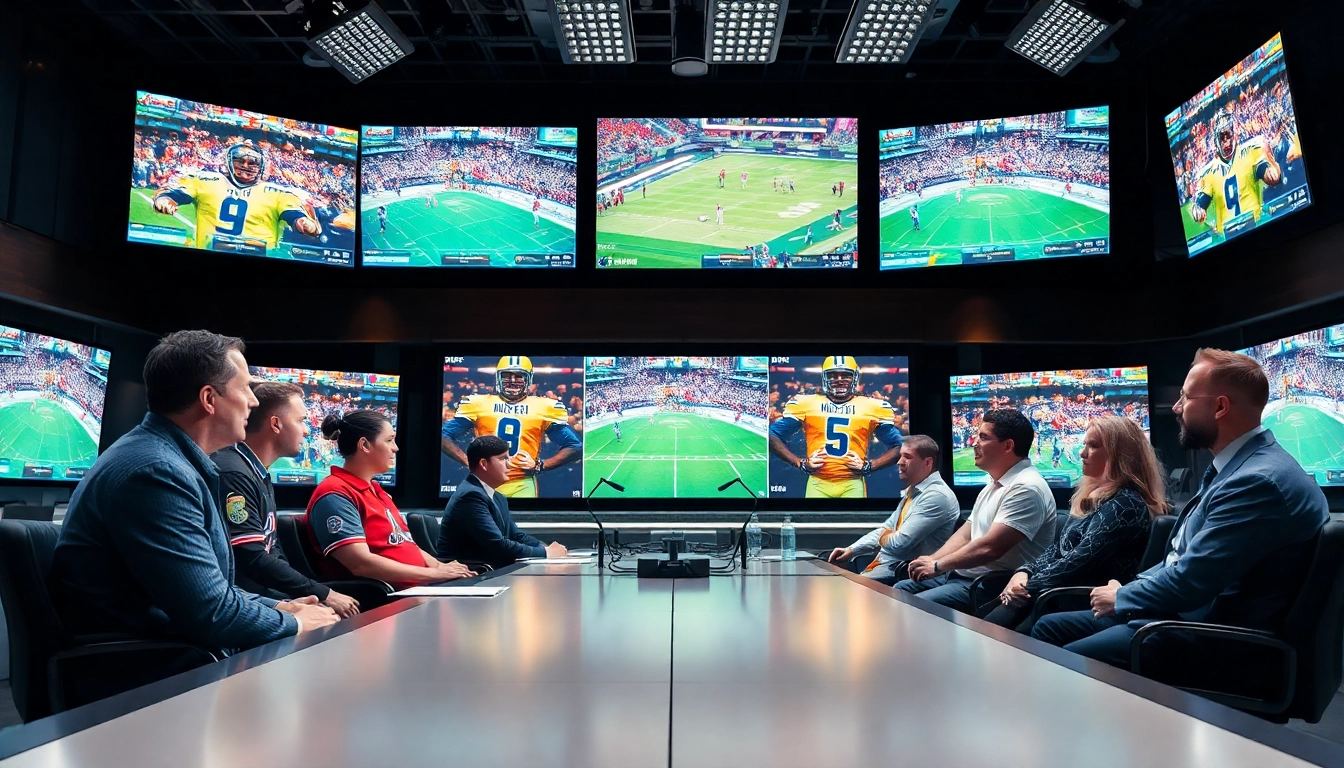
Understanding Sports Broadcasting
Definition and Importance of Sports Broadcasting
Sports Broadcasting refers to the live coverage of sporting events through various media channels, including television, radio, and online platforms. It plays a critical role in engaging fans, promoting sports, and hosting discussions around athletic achievements. As a continuously evolving field, Sports Broadcasting is vital for reaching broader audiences and creating communities around shared interests in sports.
Historical Evolution of Sports Broadcasting
The roots of sports broadcasting can be traced back to the advent of radio in the early 20th century. The first live broadcast of a sporting event occurred in 1921 when a boxing match was aired. Following this, the 1930s marked the onset of sports broadcasting on television, forever changing how audiences consumed sports content. Major events such as the Olympics and Super Bowl grew popular through televised coverage, leading to increased viewership and event significance.
Over the decades, technological advancements have transformed sports broadcasting, enhancing the viewing experience. The transition to color broadcasts in the 1960s, followed by the introduction of satellite and cable television, broadened accessibility to live sports dramatically. The digital revolution that began in the late 1990s further evolved sports broadcasting, introducing online streaming and on-demand content that allowed viewers to watch events from anywhere.
Key Players in the Sports Broadcasting Industry
The sports broadcasting industry consists of various stakeholders that include networks, production companies, and digital platforms. Major sports networks, often affiliated with television channels, provide extensive coverage of marquee events, alongside regional networks that focus on local teams. Production companies play a crucial role in ensuring high-quality broadcasting by employing advanced technologies and skilled personnel.
Digital platforms, including streaming services and social media channels, have also emerged as significant players, reshaping how audiences engage with sports content. By leveraging technology, these platforms provide real-time updates, highlights, and interactive features that enhance fan experience.
Current Trends in Sports Broadcasting
Impact of Streaming Services on Sports Broadcasting
The rise of streaming services has significantly disrupted traditional sports broadcasting. Platforms like Netflix, Amazon Prime, and dedicated sports streaming services have changed viewer habits by offering flexibility and diverse content. Audiences are no longer tied to rigid programming schedules and can access live sports through customized viewing options.
The shift towards a streaming-first approach has prompted traditional networks to adapt by developing their streaming services or revamping existing platforms. This trend has enhanced audience reach while allowing for innovative content offerings, such as multi-angle viewing and personalized notifications for favorite teams or events.
Virtual and Augmented Reality in Sports Broadcasting
Virtual and augmented reality technologies are revolutionizing the viewer experience in sports broadcasting. By providing immersive experiences, these technologies allow fans to feel as though they are part of the action from their personal devices. For instance, virtual reality enables fans to virtually attend events, experiencing the atmosphere and energy of the venue from home.
Augmented reality enhances broadcasts by overlaying real-time statistics and graphics onto the live action, giving viewers greater insight into the game. This combination of technologies offers engaging content that goes beyond traditional broadcasting, catering to younger audiences’ affinity for interactive media.
Social Media’s Role in Sports Broadcasting
Social media platforms have become essential components of the sports broadcasting ecosystem, offering real-time engagement and interaction. These channels allow broadcasters and teams to disseminate live updates, game highlights, and behind-the-scenes content, fostering community interaction among fans.
Through social media, viewers can share their opinions and reactions during live events, creating a sense of community and enhancing engagement. For broadcasters, leveraging social media allows for more dynamic responses to audience preferences and interests, driving further content development and shaping broadcasting strategies.
Technological Advances Shaping Sports Broadcasting
High Definition and 4K Broadcasting Capabilities
The transition to high-definition (HD) and 4K broadcasting has dramatically improved viewing quality, making sports events more visually appealing. HD enhances image clarity and detail, while 4K offers four times the resolution, providing unprecedented viewing experiences for fans.
As more viewers adopt 4K televisions, broadcasters are investing in upgraded infrastructure to support these capabilities. This shift enhances the viewers’ experience, making them feel as if they are present at the venue, ultimately leading to increased viewership and viewer satisfaction.
Mobile Broadcasting Trends
In an era dominated by mobile technology, broadcasting sports via mobile devices has become increasingly prevalent. Mobile apps enable viewers to stream live events, access highlights, and receive real-time updates on their favorite teams. This trend reflects a significant change in consumer behavior, as audiences prioritize accessibility and convenience.
Broadcasters are focusing on optimizing their content for mobile platforms, ensuring a seamless user experience while engaging younger demographics accustomed to mobile consumption. This innovative approach allows teams and networks to cultivate loyal fanbases and better engage current viewers.
Automation and AI in Sports Broadcasting
Automation and artificial intelligence (AI) are transforming sports broadcasting by enhancing production efficiency and viewer interaction. AI technologies can analyze vast amounts of data to optimize broadcasting schedules, deliver personalized content recommendations, and improve audience targeting.
Additionally, AI-driven tools can automate highlight generation and real-time analytics, allowing broadcasters to produce engaging content faster. By leveraging these technologies, networks can stay competitive in an increasingly crowded market, ensuring viewers receive timely and relevant content.
Best Practices for Sports Broadcasting
Content Creation and Audience Engagement Strategies
Creating engaging content is key to successful sports broadcasting. Broadcasters should focus on storytelling, showcasing athletes’ journeys and the emotional weight of their performances. Engaging formats such as interviews, documentaries, and highlight reels can enhance viewer connection and investment in the sport.
Moreover, involving the audience through interactive elements like polls, live Q&A sessions, and social media challenges can boost engagement. By creating opportunities for fan interaction, broadcasters can strengthen relationships and turn casual viewers into loyal fans.
Effective Use of Analytics in Sports Broadcasting
Leveraging analytics is essential for broadcasters to understand viewer preferences and optimize content delivery. Employing tools for tracking viewer metrics, such as engagement rates and audience demographics, allows broadcasters to tailor content that resonates with their target audience.
Data-driven decision-making enables broadcasters to refine their programming strategies, enhance promotional activities, and ultimately, increase viewer satisfaction and retention rates. By remaining agile in analyzing and responding to viewer feedback, sports broadcasters can create compelling content that stands out in the marketplace.
Adapting to Viewers’ Preferences and Feedback
In today’s fast-paced digital landscape, adaptability is crucial for sports broadcasters. Establishing direct lines of communication with audiences through surveys, feedback forms, or social media engagement allows broadcasters to stay attuned to viewer preferences.
By regularly monitoring audience responses and being willing to evolve programming based on feedback, broadcasters can ensure their offerings remain relevant. This flexibility is essential for retaining viewers in an increasingly saturated market where competitors are constantly vying for attention.
Future Predictions for Sports Broadcasting
Emerging Markets and Global Expansion Opportunities
Sports broadcasting continues to witness significant growth opportunities in emerging markets. As viewers in regions such as Asia and Africa gain increased access to technology and improved internet infrastructure, the demand for live sports content is expected to rise dramatically.
Broadcasters that proactively position themselves in these markets can tap into new audiences and revenue streams. Partnerships with local networks and content creators can offer valuable insights into regional preferences, leading to tailored sports content that resonates with new fans.
Environmental Sustainability in Sports Broadcasting
As concerns about climate change mount, sports broadcasting must also embrace environmental sustainability. From implementing eco-friendly production practices to reducing carbon emissions through efficient broadcasting methods, the industry has a responsibility to leverage its influence in promoting environmental consciousness.
Broadcasters can collaborate with organizations advocating sustainability in sports, highlighting green initiatives and events as part of their content. By prioritizing environmental responsibility, sports broadcasting can contribute positively to the larger societal issue while enhancing its brand image.
Long-Term Viewer Engagement Strategies
To ensure continued growth, it’s critical for sports broadcasting to engage viewers long-term. Broadcasters can consider developing subscription models that offer exclusive content and experiences, appealing to dedicated fans while fostering a sense of community.
Moreover, integrating gamification elements into broadcasts can enhance the viewing experience, creating excitement and engagement beyond mere spectating. By cultivating long-term relationships rather than one-off interactions, broadcasters can secure their position as integral components of viewers’ sporting lives.
Frequently Asked Questions
What is sports broadcasting?
Sports broadcasting refers to the live transmission of sports events over various media platforms, including television, radio, and online streams.
How has technology changed sports broadcasting?
Technological advancements have introduced high-definition broadcasts, streaming services, and interactive viewing experiences, enhancing audience engagement.
What role does social media play in sports broadcasting?
Social media platforms serve as vital channels for engagement, allowing real-time updates, interactions, and content sharing among fans and broadcasters.
What are the current trends in sports broadcasting?
Key trends include the rise of streaming services, virtual reality, and enhanced audience analytics that influence content delivery and viewer experience.
What is the future of sports broadcasting?
The future will likely see even greater integration of technology, with a focus on personalized viewing experiences, sustainability, and global market expansion.