
Understanding Auto Window Tint
What is Auto Window Tint?
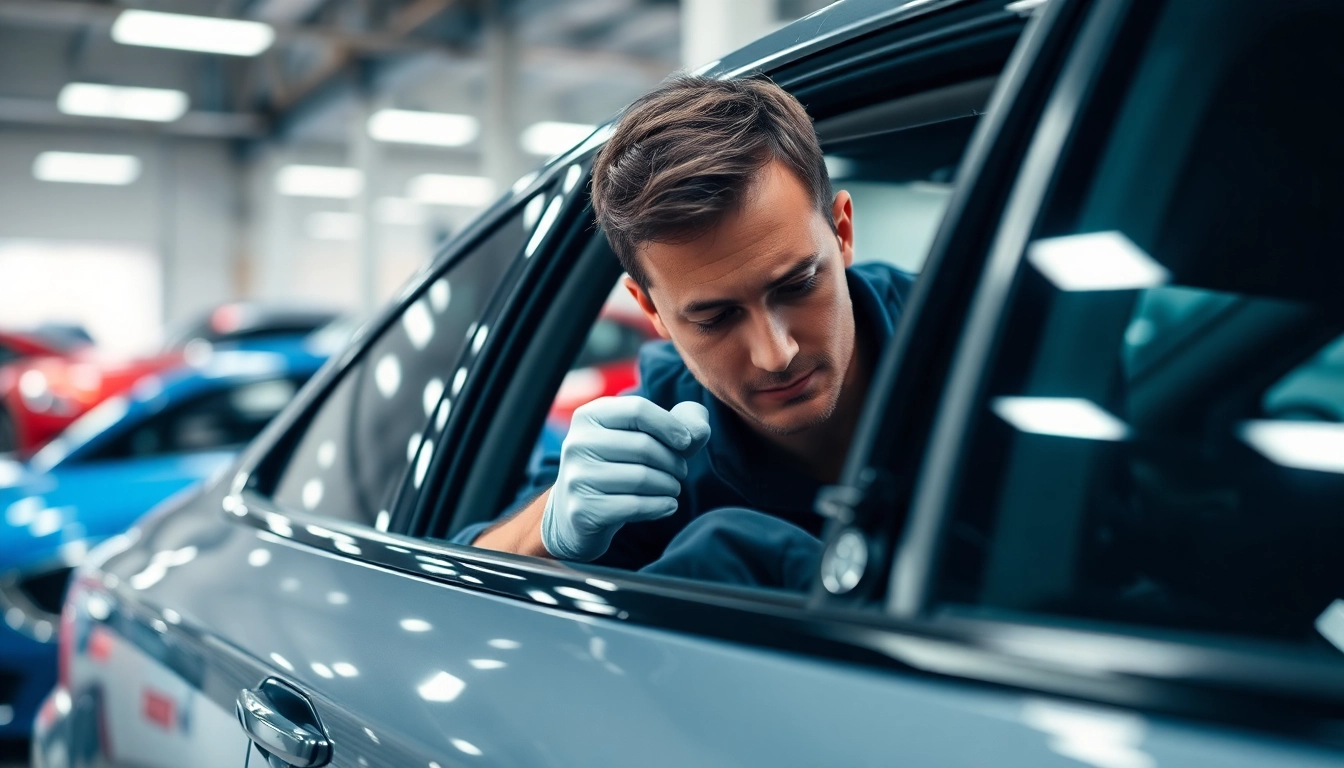
Auto window tinting involves applying a thin film to the windows of a vehicle, which alters their appearance and enhances functionality. This film can come in various shades and types, providing aesthetic value while serving critical safety and comfort purposes. Auto window tint works by reflecting sunlight, absorbing heat, and blocking UV rays, allowing for a more pleasant driving experience. The process involves the precise application of the film to ensure clarity and uniformity.
Benefits of Auto Window Tint
The advantages of installing auto window tint are both aesthetic and functional. Primarily, window tinting enhances your vehicle’s look, adding a layer of sophistication. More importantly, it offers a variety of crucial benefits:
- Heat Rejection: Tinted windows can significantly reduce the amount of heat entering your vehicle, creating a more comfortable environment, especially during summer months.
- UV Protection: Most quality window films block up to 99% of harmful ultraviolet (UV) rays, protecting occupants’ skin and reducing the risk of skin-related health issues.
- Glare Reduction: Tints minimize glare from the sun and headlights, enhancing visibility and concentration while driving.
- Privacy and Security: Darker window films make it harder for prying eyes to see inside your vehicle, offering increased security for valuables.
- Interior Protection: By blocking UV rays and maintaining a cooler temperature, window tinting protects the vehicle’s upholstery and dashboard from fading and cracking.
Common Types of Window Tint
Choosing the right type of window tint is essential for maximizing benefits. Some common options include:
- Dyed Window Film: This affordable option provides a darker appearance but lacks significant heat-rejecting properties.
- Metalized Window Film: This type reflects heat and offers durability, making it a popular choice for both looks and performance.
- Carbon Window Film: Carbon tints reject heat without metallic glare, providing excellent UV protection and a stylish matte finish.
- Ceramic Window Film: Offering the highest level of UV protection and heat rejection, ceramic films are non-metallic, ensuring optimal clarity while also maintaining vehicle connectivity features.
Choosing the Right Tint for Your Vehicle
Factors to Consider in Window Tint
When selecting window tint for your vehicle, several factors should guide your decision-making process:
- Legal Requirements: Each state has specific laws regarding the darkness and reflectivity levels of window tints. Familiarize yourself with these regulations to avoid fines.
- Visibility Needs: Consider how much visibility you require, especially for the front windshield where greater clarity is often essential for safe driving.
- Aesthetic Preference: The tint should align with your personal style while also complementing the overall look of your vehicle.
- Heat and UV Protection: Evaluate how much heat and UV protection you need, particularly if you live in a hotter climate.
How to Select the Best Installer
Choosing a qualified installer is crucial for achieving a professional finish. Here are some tips to help you find the best installer:
- Check Reviews: Look for online reviews and testimonials to gauge customer satisfaction and quality of work.
- Inquire About Experience: A reputable installer should have extensive experience and expertise in applying window film to different vehicle types.
- Ask for Warranty: A good installation should come with a warranty covering both the film and craftsmanship.
- View Portfolio: Before making a decision, ask to see examples of previous work to assess their craftsmanship firsthand.
Legal Regulations on Window Tinting
Before having your windows tinted, it is vital to be aware of local laws that govern window tinting. Each state has specific guidelines regarding the darkness and reflectivity of window tints. Some regions may classify certain films as illegal if they exceed designated limits. It is prudent to research these regulations or consult with the installer to ensure compliance, avoiding potential fines or necessitating removal of the tint.
Installation Process Explained
Preparation Before Tint Application
Proper preparation is essential to ensure a successful tint installation. Here are the steps to perform before the application:
- Clean the Windows: Thoroughly clean both the interior and exterior surfaces of the windows to remove dirt, dust, and grime.
- Inspect for Damage: Check for chips or cracks in the glass that could affect adhesion or the final appearance of the tint.
- Select the Right Film: Decide on the type of film that suits your needs based on the earlier discussed factors.
- Choose an Optimal Environment: Ensure that the installation is performed in a controlled environment, away from direct sunlight and debris.
Steps in the Installation Process
The installation of automotive window tint typically follows a similar process:
- Measure the Windows: The installer will measure each window accurately to cut the film to size.
- Cut the Film: Utilizing precision tools, the installer will cut the film to match the dimensions of each window.
- Apply the Film: A solution is sprayed onto the window and the adhesive side of the film, allowing for proper placement.
- Smooth Out Bubbles: Using squeegees, the installer will remove air bubbles and ensure the film adheres properly.
- Trim the Edges: Once the film is applied, excess film is trimmed, and any final adjustments are made for a clean finish.
Post-Installation Care Tips
After your windows are tinted, proper care will help maintain the film’s integrity and longevity. Follow these guidelines:
- Wait for the Cure Time: Allow the film to cure for at least 48 hours before rolling down your windows.
- Avoid Harsh Chemicals: Use only mild soap and water for cleaning; avoid ammonia-based cleaners that can damage the film.
- Protect from Scratching: Be cautious when using objects near the tinted windows to avoid scratching the film.
- Schedule Regular Checks: Periodically inspect the film for any signs of bubbling, peeling, or discoloration.
Maintenance of Tinted Windows
How to Clean Tinted Windows Properly
To keep your tinted windows looking their best, follow these cleaning tips:
- Use Soft Cloths: Always use microfiber cloths to prevent scratching the film.
- Gentle Cleaning Solutions: Opt for non-abrasive cleaners, preferably those formulated for tinted windows or mild soap solutions.
- Mild Pressure: When cleaning, apply gentle pressure to avoid dislodging the film from the glass.
- Regular Schedule: Clean your windows regularly, but avoid doing so on extremely hot days to prevent streaking.
Signs Your Tint Needs Replacement
Eventually, window film may require replacement. Here are common signs to watch for:
- Peeling Edges: If the edges of the tint film are starting to peel away from the glass, it may need to be replaced.
- Discoloration: If the tint has darkened or faded unevenly, affecting its appearance, consider replacing it.
- Bubbles: Presence of bubbles or blisters under the film is a sign of adhesion failure.
- Scratches: Visible scratches can compromise the tint’s overall look and effectiveness.
Long-term Benefits of Proper Maintenance
Maintaining tinted windows properly not only keeps your vehicle looking sharp but also maximizes the longevity of the film. Consistent care prevents the need for premature replacements, saving you money in the long run. Moreover, well-maintained window tints enhance comfort in your vehicle by continuing to block harmful UV rays and reducing heat buildup, ensuring that driver and passenger comfort is preserved over time.
FAQs About Auto Window Tint
How long does window tint last?
Typically, quality window tints last between 5 to 15 years, depending on the installation and care.
Is window tinting legal everywhere?
No, window tinting laws vary by state. Always check local regulations for compliance.
Can I apply window tint myself?
While DIY kits are available, professional installation ensures better quality and adherence to regulations.
How does window tinting affect visibility?
High-quality tints improve clarity while reducing glare, enhancing overall visibility for drivers.
Does window tint block UV rays?
Yes, most window tints block up to 99% of harmful UV rays, protecting both you and the interior of your vehicle.
For those looking for quality service and a professional finish, exploring options for auto window tint near me can lead to a better driving experience with enhanced comfort and style.